
Back in September, I had the awesome opportunity to attend my first Maker Faire in NYC. I had read some different blogs posts and heard from some other Makers about what it would be like but I was still unsure exactly what to expect.

What I discovered was a huge array of opportunities – to learn, make, and be exposed to new ideas and materials. I also found out how challenging it could be to navigate the space (especially with the high winds and blowing dirt!) and see everything I wanted to see. There were more exhibits and new creations to see than I could possibly visit in two days so I had to figure out a system to try and catch the sessions I was most interested in.
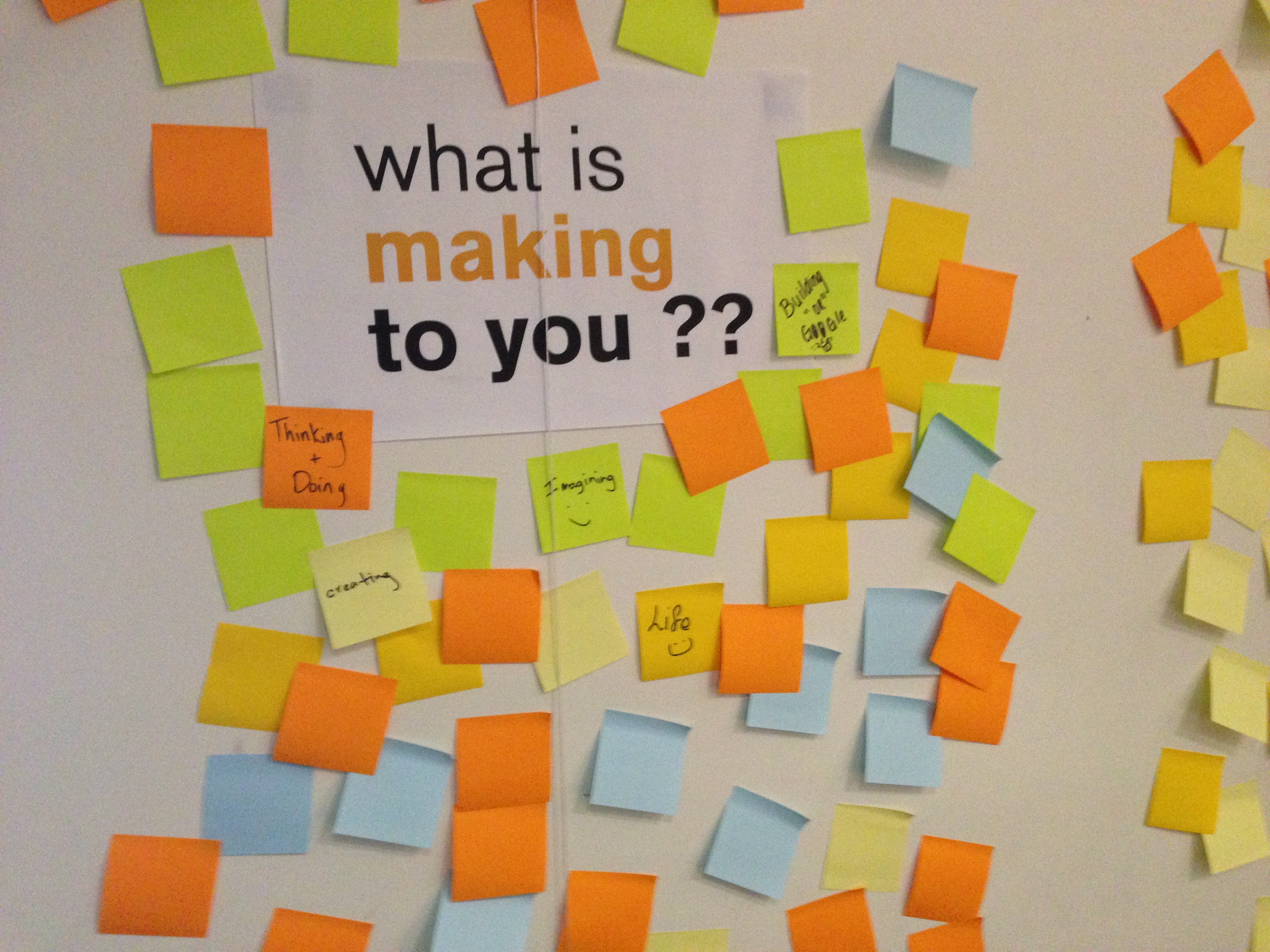
I was particularly excited about the Education Cafe and all of the sessions by both students and educators about integrating making into schools and educational environments. I had the chance to listen in on Making in the Classroom: Reports from the Front Lines, where educators, including many I had met at CMK, shared how they are creating Makerspaces, holding Maker Clubs, and integrating making into their curriculum. It was reassuring to hear that they experience many of the same challenges I have encountered, such as dealing with scheduling and time restrictions or finding ways to explain the value of making for our students.
I also loved hearing more about the Wiki Seat project and I would recommend that anyone who hasn’t heard about it, check it out! It’s a great example of how making can be integrated into a core academic subject and how inventive students can be when given the opportunity to make something meaningful.
On the Make Live Stage, I saw “Five Accomplished Young Makers,” ranging from 2nd grade to high school seniors, who shared their stories of making everything from a DIY Segway to a 3D scanner. These students shared how powerful it was for them to take up a project that they were passionate about and then have to learn new skills along the way to accomplish their goals. One student has even started his own business after running a successful crowdfunding campaign. Examples like these demonstrate the valuable life-skills that students can gain from engaging in making and the high levels of self-motivation that they find to learn new things and then share with others.
Another one of my favorite education sessions was Children as Makers, Makers as Children, by AnnMarie Thomas. She gave a great presentation on the abilities of very young children to begin making and the benefits of trusting them to use real tools and explore diverse materials. This resonated with me because it aligns with the Reggio practice of respecting young children and the hundreds of languages they (should) have to express themselves. Understandably, many parents are wary of having their young children use hammers and other potentially dangerous tools that may be common when making. Yet, if we scaffold and support children’s use of more complex materials and tools, maybe they would learn from a younger age how to use them safely and also feel more empowered to choose them when they would be the best tool to accomplish their goal.

Aside from the various education sessions I attend, I also listened in on some talks about Arduino and Raspberry Pi and a range of other new technologies and tools. I was amazed to see some of the small, affordable 3D printers in the 3D Printer Village. I also loved getting a chance to walk inside and explore the house that the Sketch Up team constructed in just a few days. Other favorite stops along my Maker Faire tour included seeing the homemade cars on the racetrack, the exhibits run by young makers from schools around the country, the life-size mousetrap and some of the amazing inventions inside the Hall of Science.
Although I gained a lot from listening, watching, and learning at different exhibits and sessions, it was an overwhelming experience. I wish there was some kind of starter guide for newbies that explained more of how Maker Faire works (for example, I didn’t realize so much of it would be outside or that all of the sessions would be so quick). It was great to have an app where I could select exhibits I wanted to see and talked I wanted to attend but there were still so many to sort through that in the end, I took a “let’s head this way and see what we find” approach. This worked out pretty well as I saw and learned things I’m sure I wouldn’t have otherwise but I think it could help to have a site where you could choose different options (e.g., “I want to … learn how to make things, hear from young makers, etc”) and then you could be given a sample itinerary to help guide you.

My absolute favorite thing at Maker Faire was having a chance to learn to solder! I had never had the time or tools to learn before and it was so exciting and empowering to pick up a new skill and apply it to make something fun like the Make Robot pin! It was also a great memento to bring back and wear at school because it served as a great conversation starter with students and teachers about making and Maker Faire! My one hope for future Maker Faires would be for them to incorporate more actual making. Of course, you might just need to know where to go, and I understand expense can be an issue, but I was hoping there would be more opportunities to learn to make things, whether it be an Arduino sketch, a Robot pin, or a 3D design (props to Google Maker Camp for having multiple making activities and giving away T-shirts to encourage people to join in the making).
For Maker Faire veterans, what do you think … are there many opportunities to learn new skills and make things you can walk away with at Maker Faire? What are your favorite parts of going and what do you wish could change in the future?







 Margaret A. Powers
You must be logged in to post a comment.