Category Archives: Thoughts

Thinking Forward Into 2013

Now that the new year is underway and I’ve had a chance to reflect on 2012, I wanted to pause and do some thinking forward about 2013. Where will I go? What will I learn? What are my goals (big and little) and how can I achieve them?

IMG_6536

Where will I go, both literally and metaphorically?

  • I hope to go to at least one new conference that I have never attended before to stretch myself professionally and expand my knowledge and exposure of what others are thinking and doing around technology integration in early childhood and for global collaboration
  • I would love to travel overseas again sometime in 2013 because I have and probably will always carry the travel bug. Whether it’s returning to a favorite spot, like Italia, or venturing into new territory  (maybe Asia?), I’m up for the adventure!
  • I’m also looking forward to the pause and peace of summer and I hope it will involve a trip to Cape Cod, where I always find so much serenity
  • Metaphorically, I am planning to continue exploring new lands of tech curricula and to go where I haven’t gone before in terms of studying and designing projects that will integrate technology into the classroom in a meaningful way
What will I learn?

  • Programming Languages
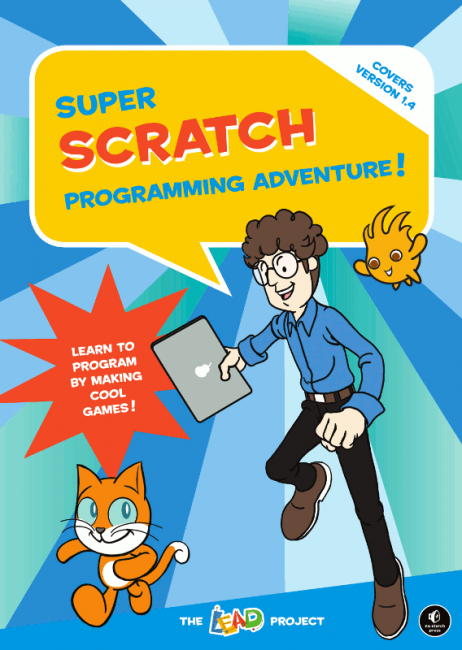
    • I would like to continue learning more about different programing languages in the coming year. Recently, I have been working through Super Scratch Programming Adventure! to examine ways I might be able to use Scratch with my older students. I have also been looking at CodeHS/Code Academy and apps like Move the Turtle and Cato’s Hike to see if they could be used in the classroom. There still seems to be a gap in available materials and languages suitable for very young children but hopefully programs like Scratch Jr. and CHERP will be available soon! 
  • iPad apps
    • These are on my list of learning materials because as we move towards a deeper integration of mobile technologies, I want to be familiar and comfortable with tools that can facilitate meaningful and developmentally appropriate learning experiences for my students. I plan to continue using Simple K12 Webinars, my PLN and my own explorations of various apps to make this happen.
  • Ways to integrate the Maker movement and robotics
    • I would love to have both of these as part of the technology work my students are engaged in. I believe that tools like MaKey MaKey and LittleBits provide an opportunity to introduce technology as a tool for creation and collaboration in a way that is tangible and exciting for young children.
  • Foreign Languages
    • I hope to continue practicing and expanding my Italian during the upcoming year, as well as building my Spanish skills, primarily through apps like Duolingo and MindSnacks.

Some Big and Little Goals:

  • Continue to be a constant learner
    • I want my learning to include materials and topics I find intriguing but also challenging so I can have a better understanding of how my students feel when they are trying to learn new concepts
    • For example, I hope to explore some new classes in 2013, such as barre and maybe a math-focused MOOC
  • Share more! 
    • I would like to focus on sharing more of my own knowledge and experiences this year, through my PLN, via my blogs and also by running conference sessions
    • To start, I plan to attend #EdCampIS, followed by the Villanova Tech Expo and hopefully another new conference in the summer
    • I will be looking for opportunities to share my learning around tech as a tool for global learning, as well as tech integration ideas for early childhood – if anyone has recommendations for venues or conferences, please let me know! 
  • Create a tech project database:
    • Over the next year, I want to work on creating a project database for my teachers and other educators who are looking for ideas on how to use technology as a tool to enhance their class projects and curricula
    • I hope to make it easier for new tech users to plan and engage in tech integration work by having some concrete examples and tools available
  • Expand my school tech website:
    • I hope to expand my tech website for the students, teachers, and parents at my school to include additional resources  and tech recommendations that are easy to access and navigate. Over time, as I explore more mobile apps, I also intend to add more specifics about how they can be used in the classroom with young children since that is a gap I have seen in what’s currently available online.
  • Make Global Connections
    • An ongoing goal I have is to continue making more global connections so that I can start and facilitate more global collaborative projects among educators and students at my school and around the world.
    • By using ePals, iEARN, the Global Classroom Project and Twitter connections, I hope to make this goal a reality.

Goals


What Does the Future Hold?

Innovative & Developmentally Appropriate Tech Integration Ideas

After four days at the annual National Association for the Education of Young Children (NAEYC) conference, where the theme was Developmentally Appropriate Practice (DAP) in the 21st Century, I have a number of questions bouncing around in my head.

Most of the sessions I attended centered around technology and young children. There were discussions about how to integrate tech into the classroom in developmentally appropriate ways; people sharing apps and tools teachers are using; presenters giving ideas for how pre-service teachers can use tech effectively; and a number of questions from attendees about whether tech was worth integrating at all. I have seen the level of tech integration that is being discussed change and grow significantly over the past few years. Just visiting the exhibit hall makes it clear how pervasive technology has become, with booths for new apps, SMART Board programs, and ways to assess children or update parents via technology.

And yet, I worry about our pacing. Technology is ever changing and transforming as new codes are written and new technologies created. Education is changing too but it seems education is simply reacting, instead of proactively working to shift and adapt in ways that allow technology to be integrated in new and meaningful ways. The field of early childhood education is conflicted as to when, how, where, and why to use technology, with some educators filling their classrooms with every tech tool available (e.g., SMART boards and pens, augmented reality cameras, and multi-touch devices) while others are fighting to keep all technology out in the name of play or tradition.

In one of my sessions this week, the presenters discussed the idea of the tortoise and the hare and the fact that each person moves at her or his own pace along their educational technology journey … and that’s okay! But I wonder if that works as well for the field of early childhood as a whole as it does for individual educators and the children we teach? I agree wholeheartedly that pushing technology into the hands of young children and forcing teachers to use it in their classrooms before they are ready is not the best approach. We need to meet teachers (and children) where they are at to allow them to truly explore and experiment with technology at a pace that allows for discovery, wonder and learning.

Yet, if our children are being bombarded by tech devices at home or expected to walk into older grades competent in using multi-touch devices for research, curation, and creation, it seems like we cannot let tech integration in the field of early childhood education progress at the pace of the tortoise. By integration, I mean everything relating to it, such as training, funding, and classroom resources. If we wait to provide  professional development on technology and only slowly develop rubrics and tools to assess whether technologies are developmentally appropriate, then the technology will continue to be used without an educational lens and integration in DAP. There are teachers who want to move faster and students who have already moved ahead, frustrated by the lack of learning they’re experiencing in school.

One of the repeated messages at the conference was that technology is not going away and we can’t play “keep away” from children (or teachers!) with technology without doing an injustice to education. Instead, we need to be scaffolding students’ understanding of digital media literacy and ways to use technology for creation, communication, and collaboration.

As we enter into the Maker age (such as the use of bananas for piano keys, as seen above) where 3D printers can print out a child’s invention, programing systems are developed for early childhood, and multi-touch devices may be obliterating the need for a mouse, we need to consider what tools and practices will soon be considered “out-of-date” and how we will be prepared for all of the tools and technologies that come next.

So I come back to the question of where our responsibility lies regarding tech integration, as educators, policymakers, developers and administrators, in the field of Early Childhood Education.

  • How can we share resources, develop professional development communities and trainings, and invite others to watch our practices so that we can all grow together?

Our children are waiting for us to be ready. They are more often moving at the pace of the hare instead of the tortoise and I think it’s time for departments, agencies, ministries, organizations, and individuals to come together and make the developmentally appropriate use of technology by educators and with children a priority. As Warren Buckleitner said at the end of the featured NAEYC session on technology, “we all need to figure this out together” because many hands make light work.

Everyone Working Together:
A Collection of Images from Tech on Deck by Giovanni Arroyo

This slideshow requires JavaScript.